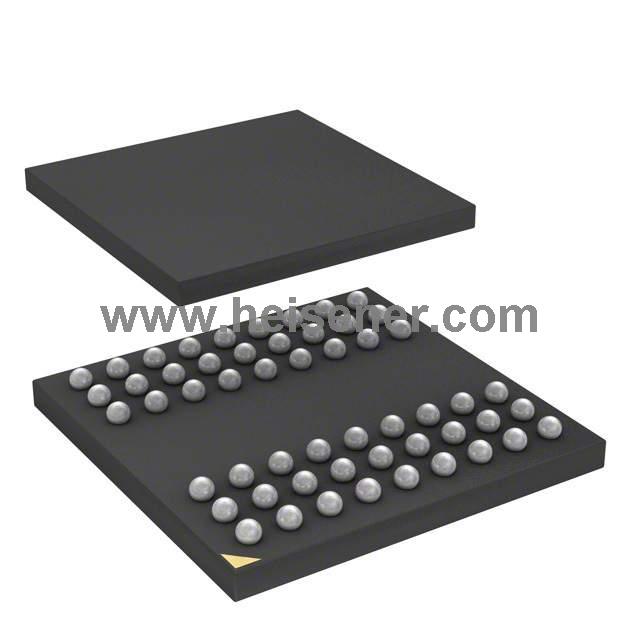
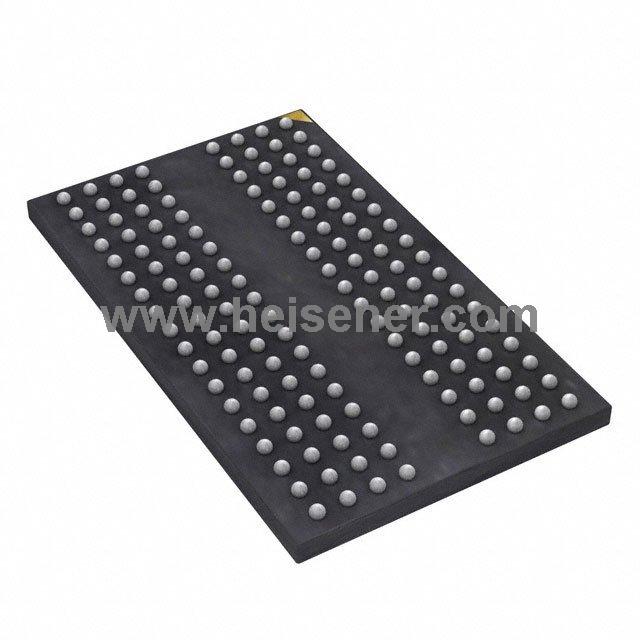
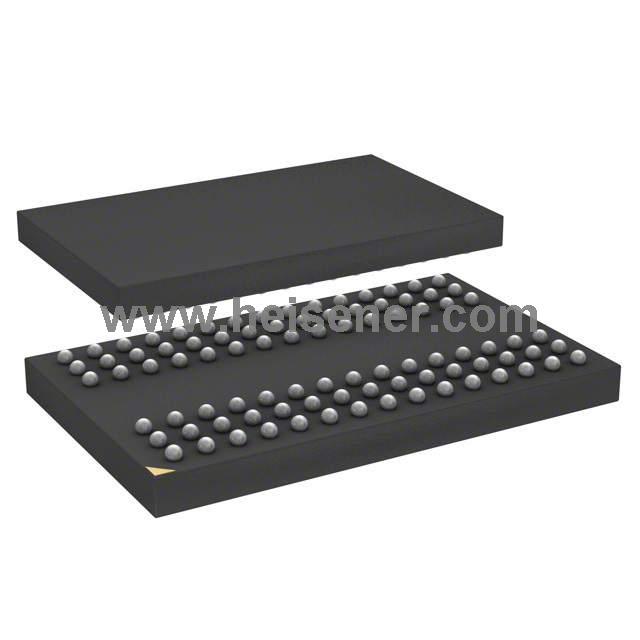
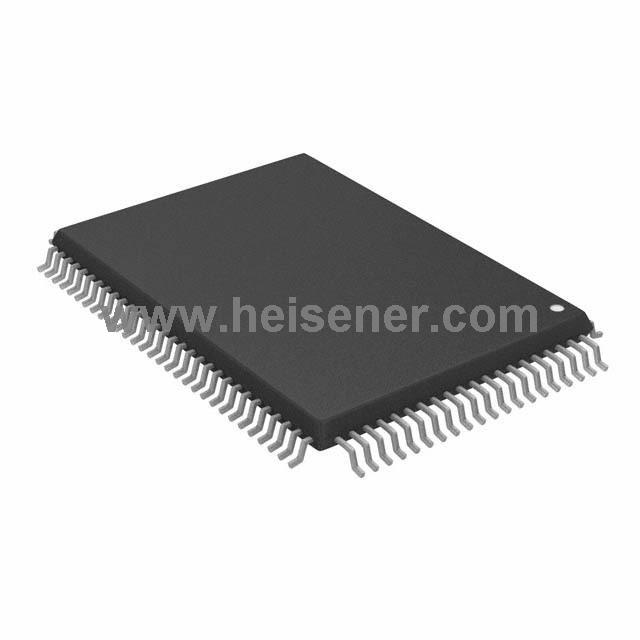
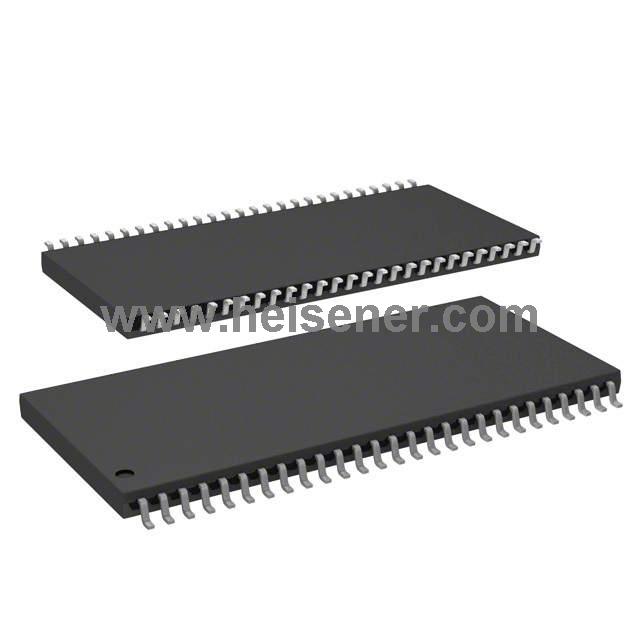
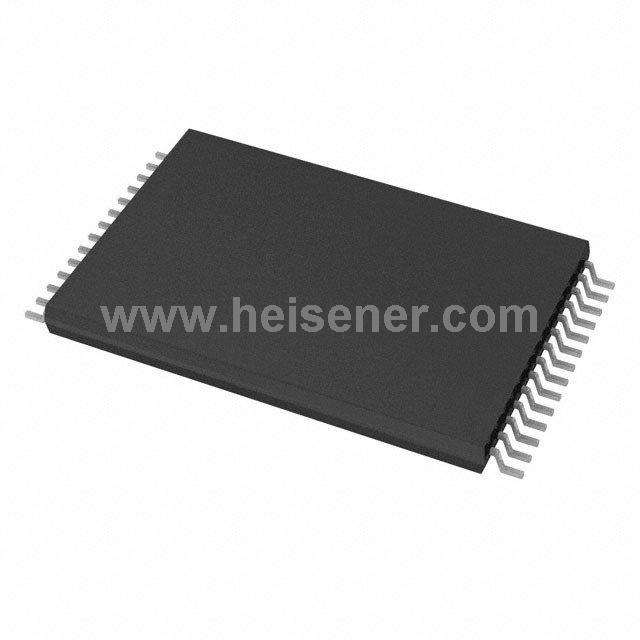
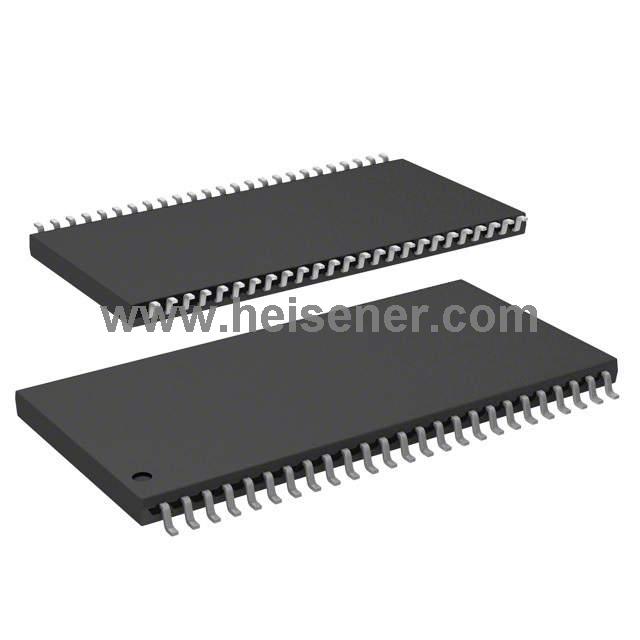
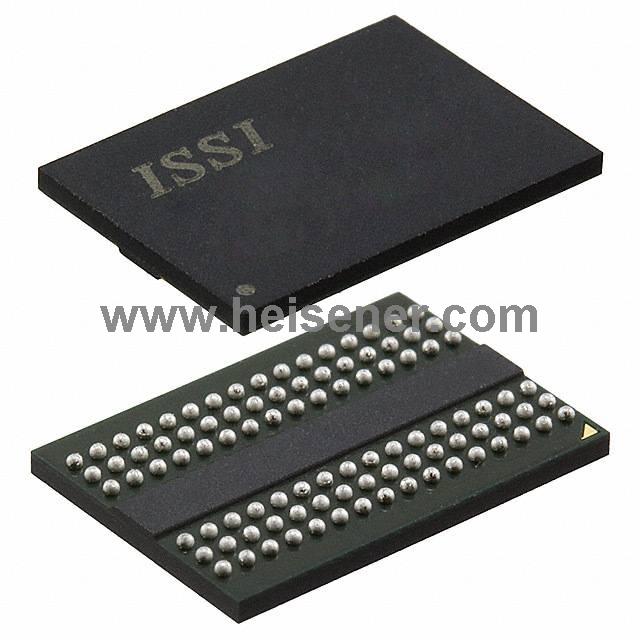
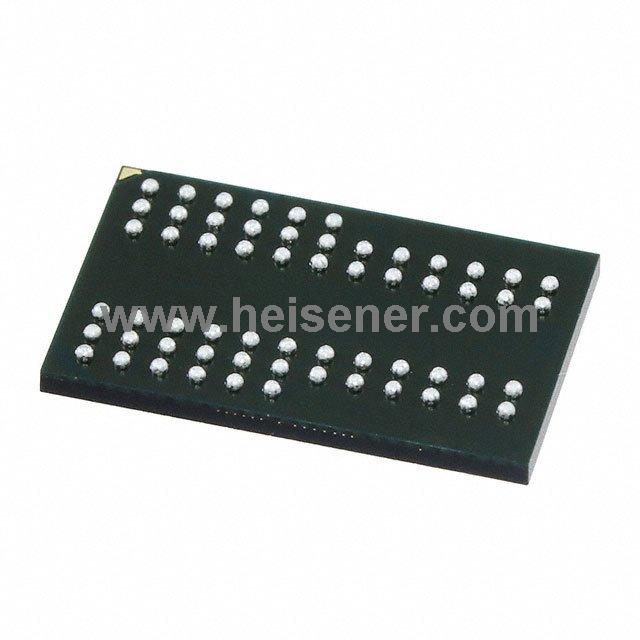
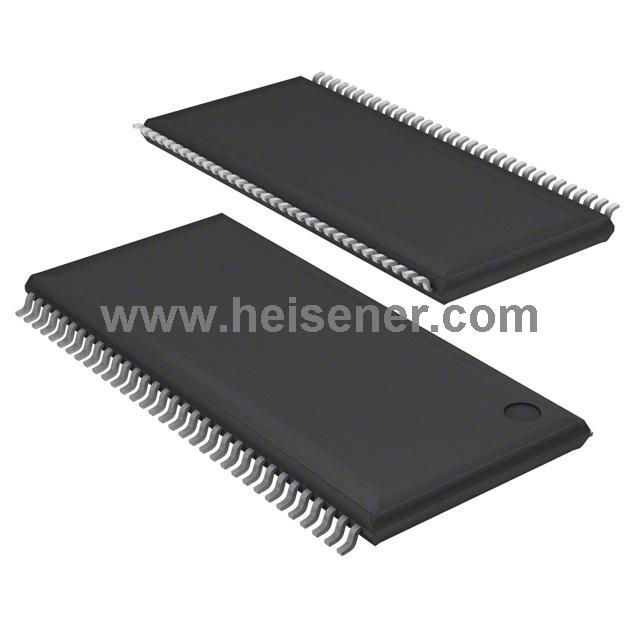
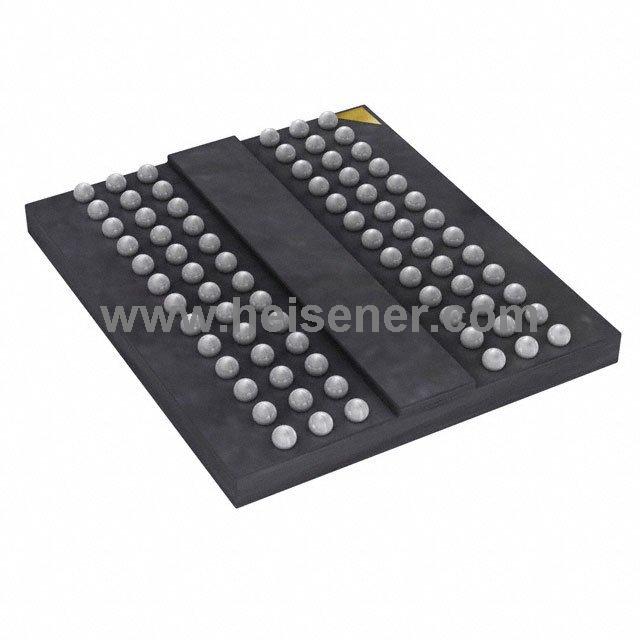
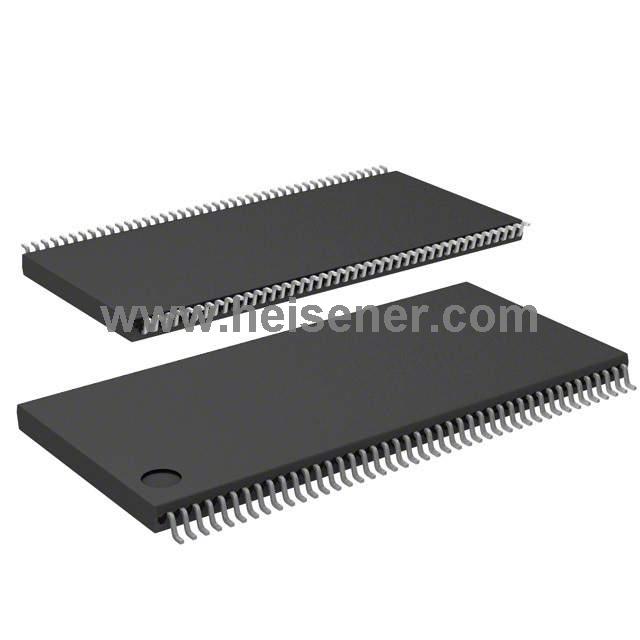
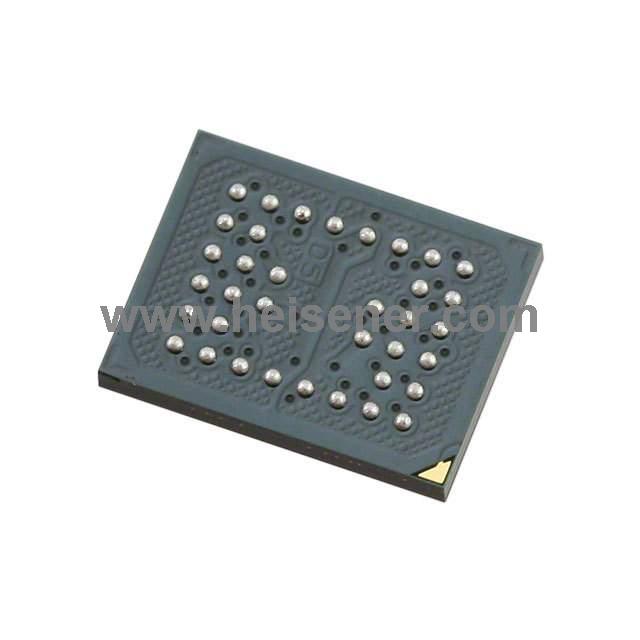
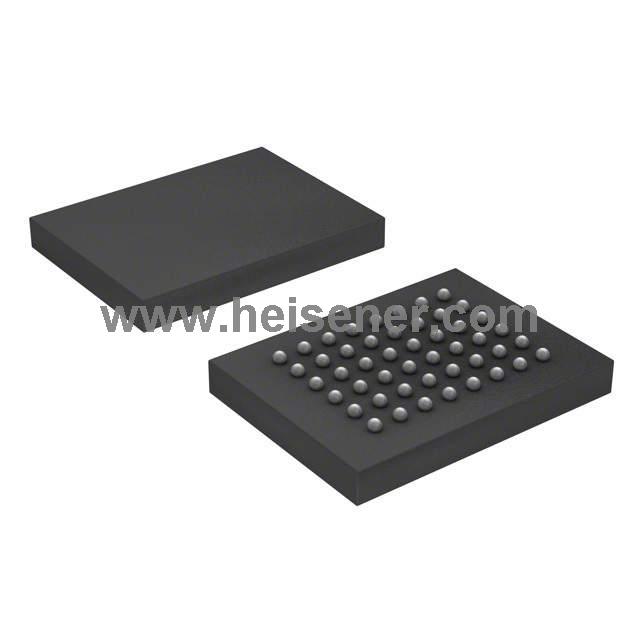
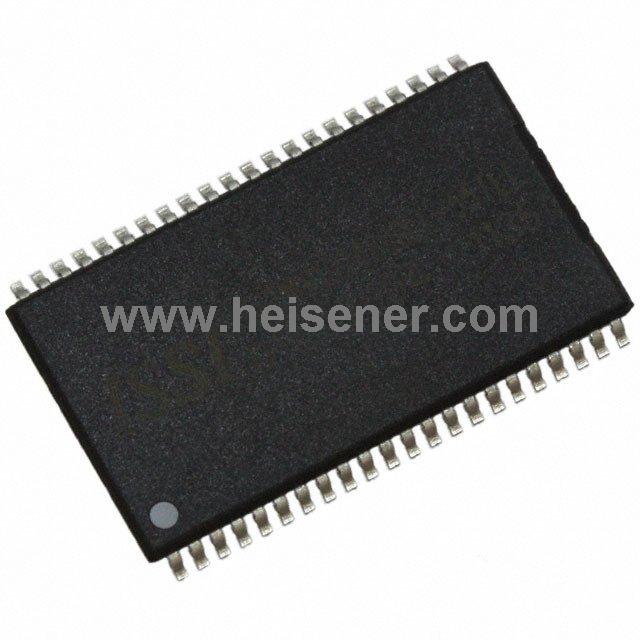
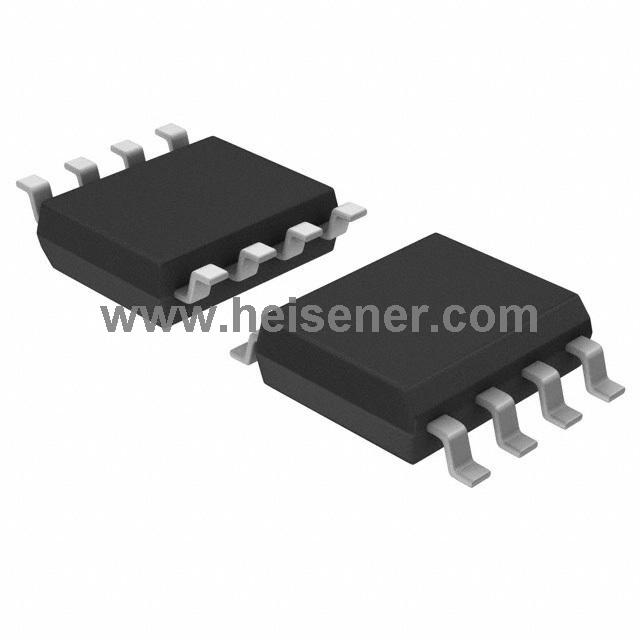
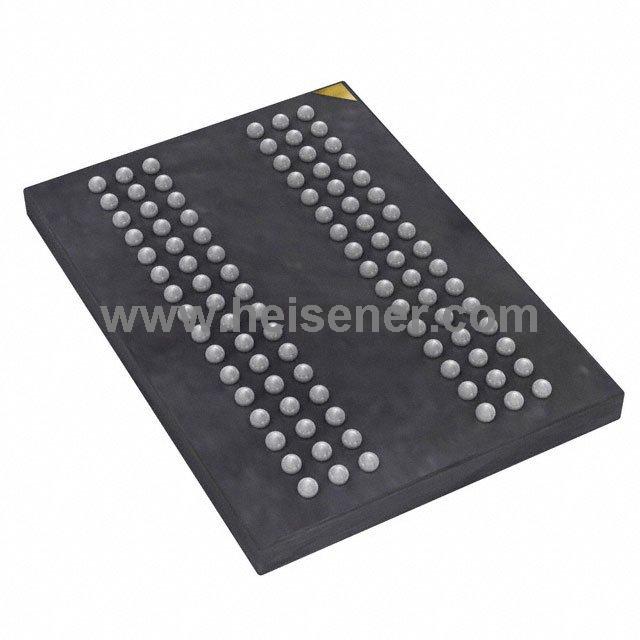
Memory chips are memory devices that use semiconductor circuits as a memory medium, primarily designed for storing digital information. A chip typically consists of numerous storage cells, each capable of storing a single bit (0 or 1). Responsible for both data storage and retrieval, memory chips serve as the cornerstone of the information age. They are widely used in industrial control, cloud computing, smart terminals, and AI server sectors.
Semiconductor products are categorized into four major classes: discrete components, optoelectronic devices, sensors, and Integrated Circuits (ICs). ICs account for more than 80% of the semiconductor industry. Furthermore, Integrated Circuits are subdivided into memory chips, logic chips, microprocessors, and others. Memory chips represent the most significant branch of the IC market.
Below is a systematic introduction to memory chips.
Memory chips can be classified into two main types: Volatile Memory and Non-Volatile Memory. Volatile memory requires a continuous power supply to retain stored data, whereas non-volatile memory can preserve data even after power is disconnected.
- Volatile Memory: Primarily includes Static Random Access Memory (SRAM) and Dynamic Random Access Memory (DRAM).
- Non-Volatile Memory: Primarily includes Mask Read-Only Memory (MROM), Programmable Read-Only Memory (PROM/EPROM/EEPROM), and Flash Memory.
- Flash Memory: The mainstream products are NOR Flash and NAND Flash.
The global semiconductor memory market is dominated by DRAM and NAND Flash.
DRAM is Dynamic Random Access Memory and plays a core role in computing systems. Its capacity and bandwidth directly affect computing efficiency and overall performance. DRAM is mainly used in PCs, servers, and mobile devices, and it is the largest chip category in the memory market.
The main features of DRAM are fast read/write speed and low latency. However, data is lost when power is removed, so it is commonly used as system's working memory. The classification of DRAM is also relatively complex, as shown in the figure below.

At present, Synchronous Dynamic Random Access Memory (SDRAM) is the mainstream type of DRAM. SDRAM can be further divided into Double Data Rate (DDR), Low-Power Double Data Rate (LPDDR), and High Bandwidth Memory (HBM). DDR is mainly used in personal computers and servers, LPDDR is primarily applied in mobile electronic devices, while HBM is mainly used in the field of artificial intelligence. Currently, DDR4 is the dominant DDR standard, and the penetration rate of DDR5 is steadily increasing.
DDR5: Starting from the second generation of DRAM, Double Data Rate (DDR) technology was introduced. DDR technology has evolved through multiple versions, including DDR, DDR2, DDR3, DDR4, and DDR5, with continuously increasing speeds. As a new-generation memory technology, DDR5 offers a higher initial data rate (4800 MHz), lower power consumption (1.1 V), and higher data transfer efficiency compared with DDR4. It is widely used in high-performance computing applications such as servers and PCs.
As the industry shifts from a 2D planar structure to 3D stacking, HBM has become a key growth market.
HBM: High Bandwidth Memory (HBM) is one of the core technology directions for AI memory. By using 3D TSV stacking and 2.5D/3D heterogeneous integration technologies, HBM packages multiple DRAM chips together with GPUs, enabling ultra-high bandwidth, low power consumption, compact size, and high integration density.
NAND Flash is a type of non-volatile memory that stores data in the form of electrical charges. It is primarily used in Solid State Drives (SSDs), embedded storage, and mobile storage solutions. As the second-largest memory product category, NAND Flash is the most widely used and effective solution for high-capacity storage applications, characterized by its large storage capacity, fast read/write speeds, low power consumption, and low cost per unit.
With the continuous expansion of emerging scenarios such as AI and Big Data, the volume of data that electronic devices must store is growing exponentially. This has led to a massive demand for NAND Flash, creating a broad market outlook. Based on spatial architecture, NAND Flash is divided into 2D NAND and 3D NAND. Currently, the primary direction of technological iteration is to increase storage density by increasing the number of stacked layers in 3D NAND.

Aside from DRAM and NAND Flash, NOR Flash is the largest segment within the niche memory market. Its name originates from its internal memory cell configuration, which resembles a logical NOR gate. Compared to NAND Flash, its most defining characteristic is the support for random access and Execute In Place (XIP). It is frequently utilized to store critical data and code, offering high-speed reading capabilities that make it a staple in smartphones, wearables, and IoT devices.
Due to its support for random access, NOR Flash boasts exceptionally fast read speeds. The XIP functionality allows the CPU to execute code directly from memory without needing to pre-load it into RAM, significantly reducing system boot times. Furthermore, NOR Flash features an extremely low bit-flip rate, offering reliability that far exceeds that of NAND Flash. Combined with pin-efficient SPI or high-speed parallel interfaces, it is the ideal choice for storing essential firmware and boot programs.
However, NOR Flash has distinct limitations. Its erase and programming (write) speeds are relatively slow, making it far less efficient than NAND Flash for data-heavy tasks. Constrained by lower storage density, its capacity typically ranges from 512Kb to 1Gb, making large-scale expansion difficult. In terms of cost, the unit price for NOR Flash is significantly higher than that of NAND Flash for the same capacity. Consequently, it is primarily positioned for low-capacity, high-reliability applications focused on specific code storage rather than mass data storage.
Memory chips are mainly used in enterprise storage systems, where they play a core supporting role in access performance, storage protocols, system management, and diverse application scenarios. As data volumes continue to expand and the value of data keeps rising, the storage market is evolving rapidly. In particular, demand for memory chips in AI servers has grown significantly, driving many manufacturers to plan or expand dedicated storage chip production lines for AI applications. At the same time, products such as NOR Flash are gradually entering server use cases.

In the fields of national security and defense, the localization of memory chip production has become an important development direction. Through policies and legal measures, relevant countries are promoting the priority use of domestically produced semiconductors in critical infrastructure, aiming to reduce reliance on imported chips and enhance supply chain security.
To address supply–demand pressures caused by the rapid growth of AI server demand, some international memory manufacturers are stabilizing the supply of enterprise-grade products and investing in next-generation memory technologies to strengthen their competitiveness in data centers and cloud computing. Meanwhile, next-generation memory chips featuring high bandwidth and high reliability are becoming a key foundation for AI data centers.
In the consumer electronics sector, memory chips continue to achieve higher integration and performance through advanced packaging technologies. They are widely used in end devices such as smartphones, driving the trend toward thinner designs and higher performance.
In terms of manufacturing, the memory chip industry chain is extending further upstream. Key materials such as silicon wafers and epitaxial wafers are accelerating localization and gradually entering the memory chip supply chain.
Overall, from DAS, NAS, and SAN to cloud computing and virtual data centers, memory chips are facing increasing demands for higher performance, greater reliability, and more complex application scenarios, with their application scope and technological value continuing to expand.