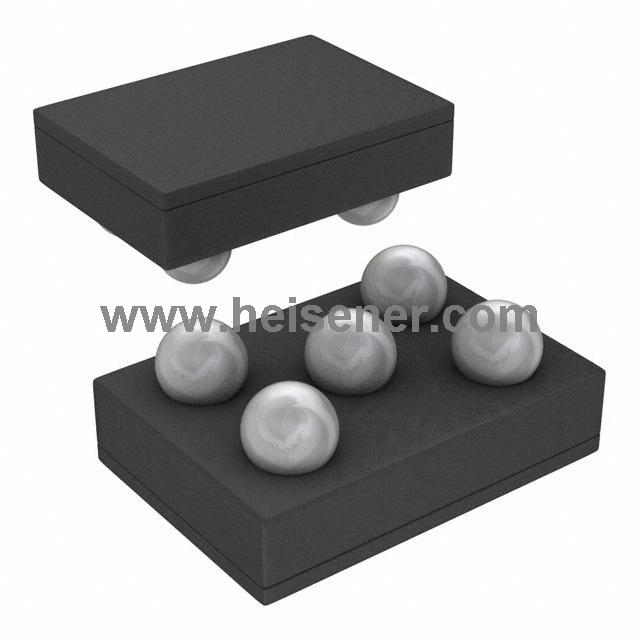
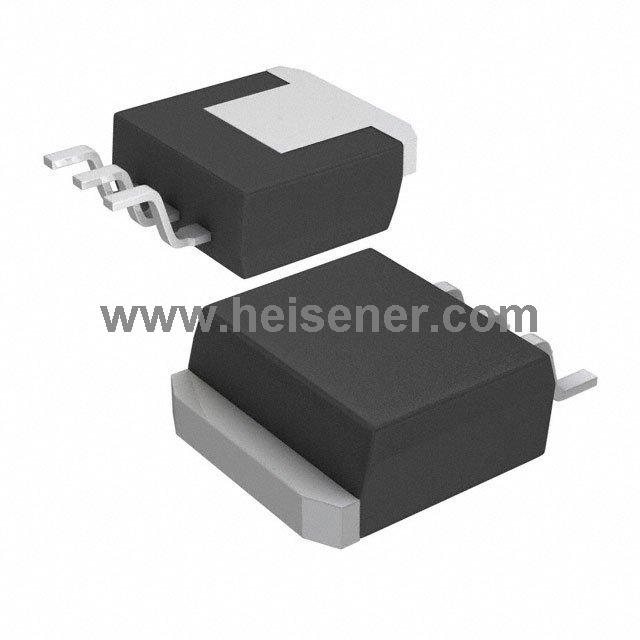
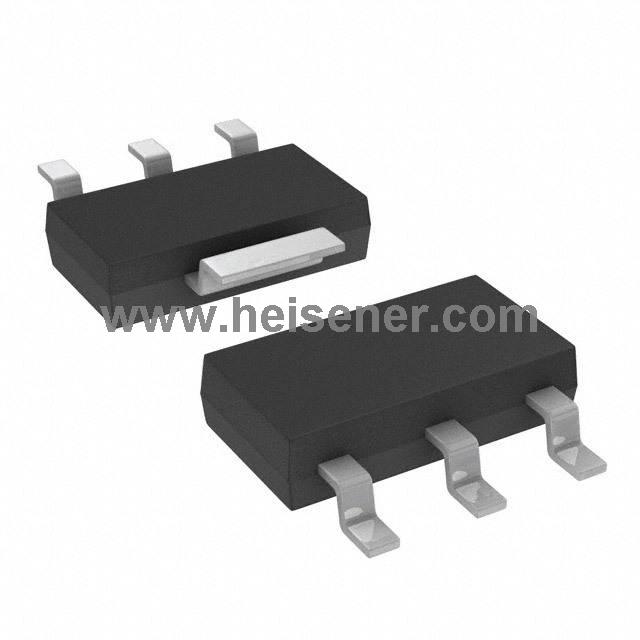
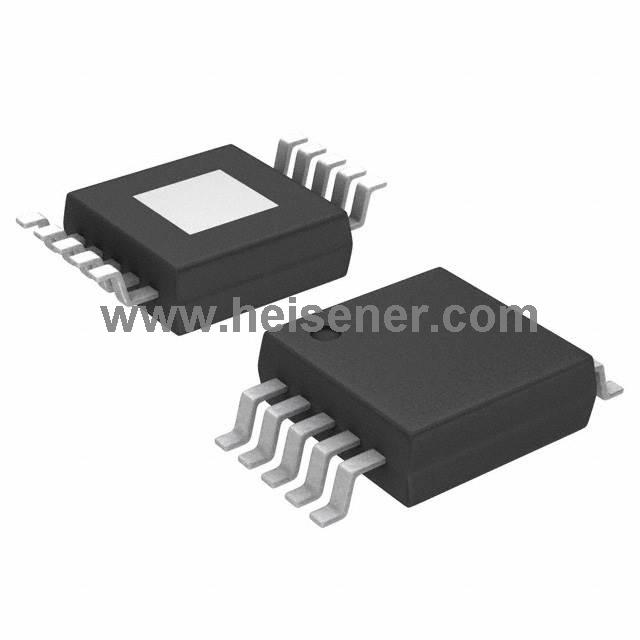
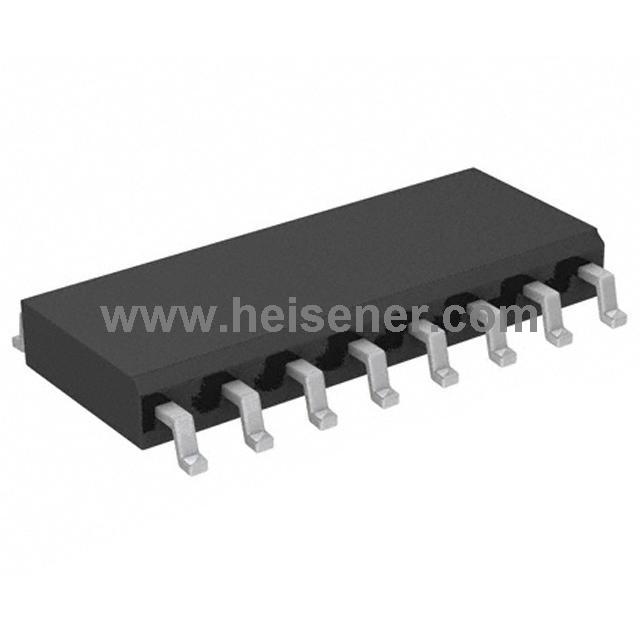
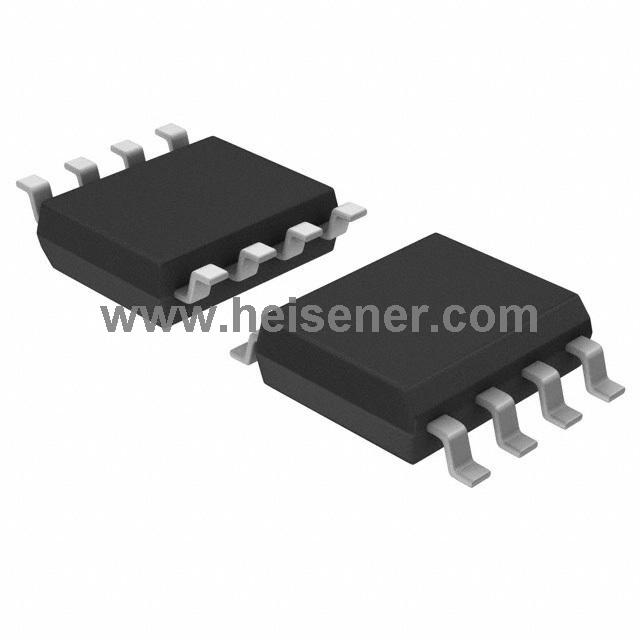
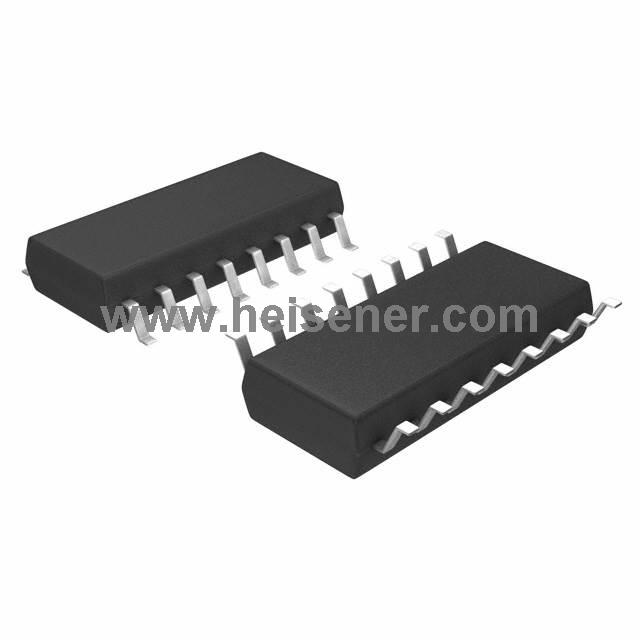
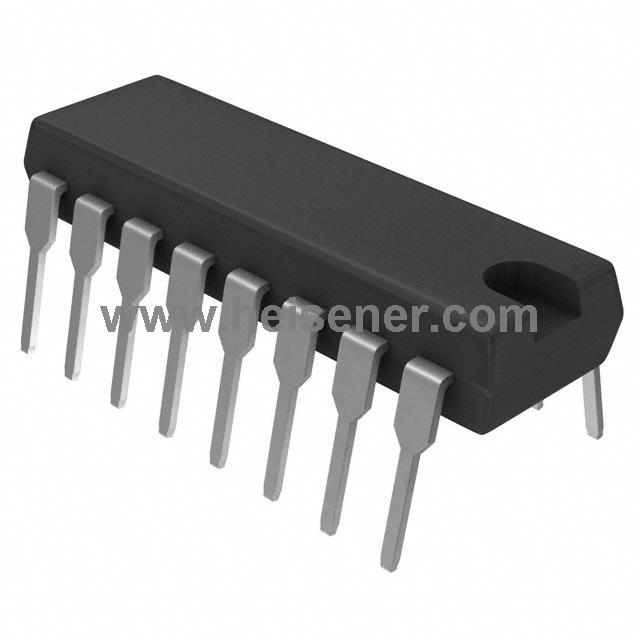
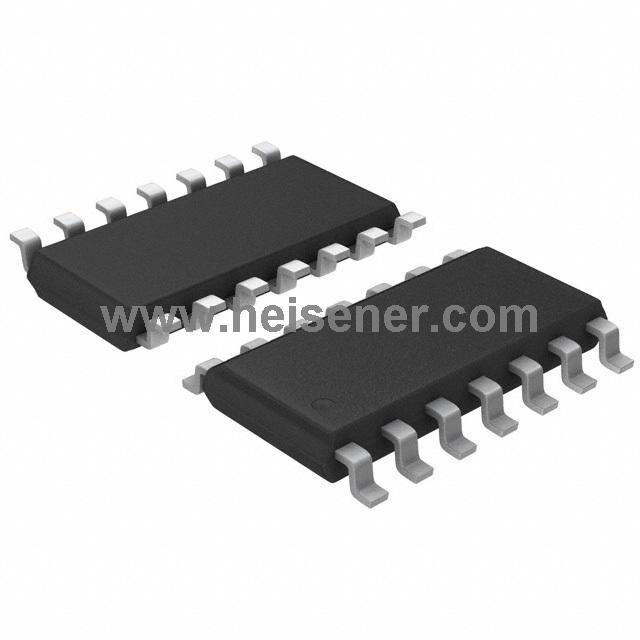
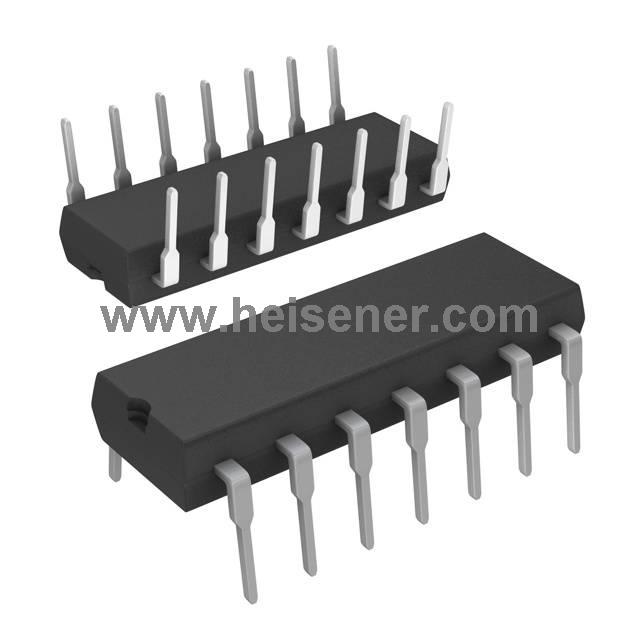
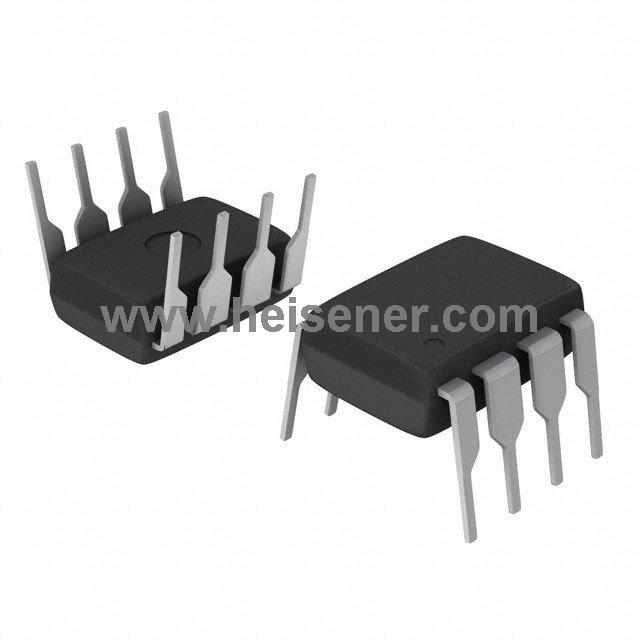
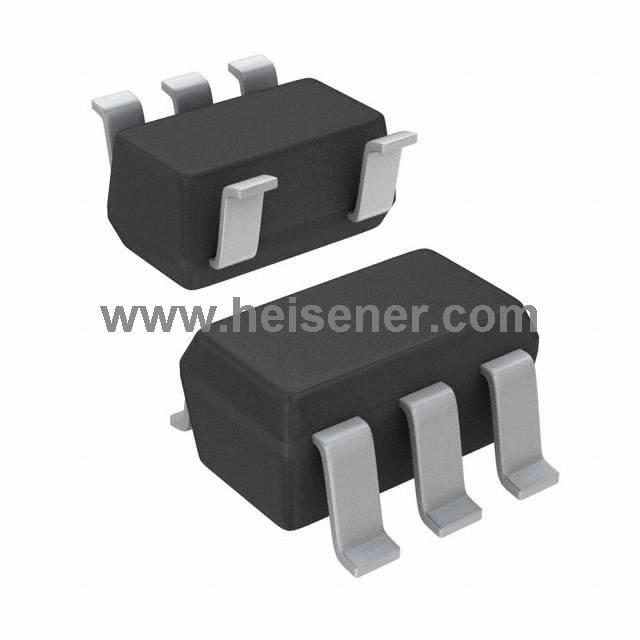
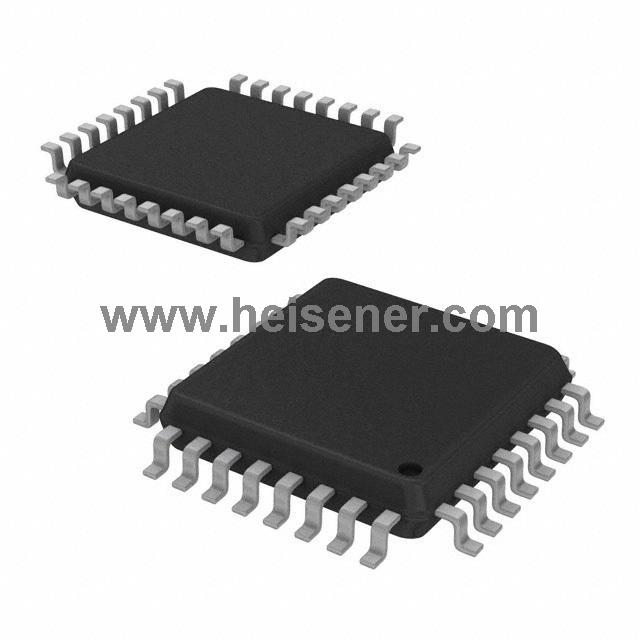
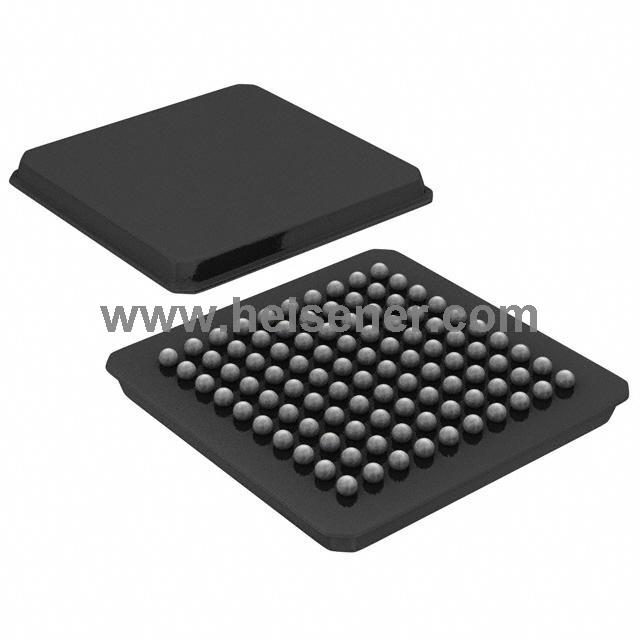
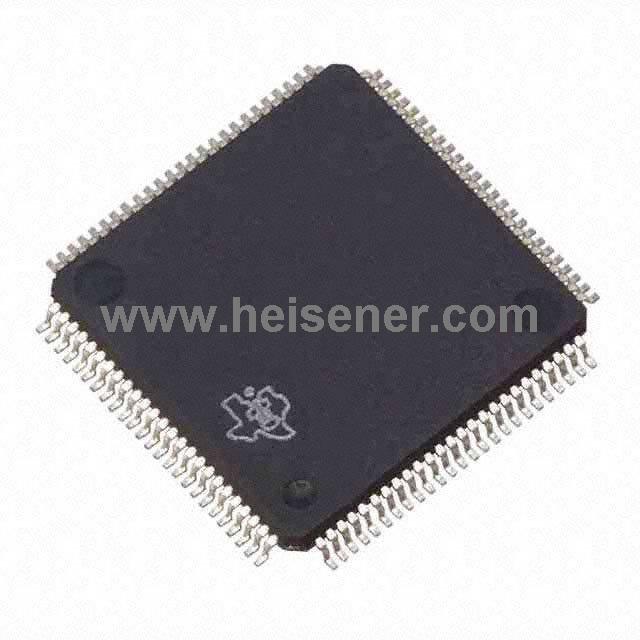
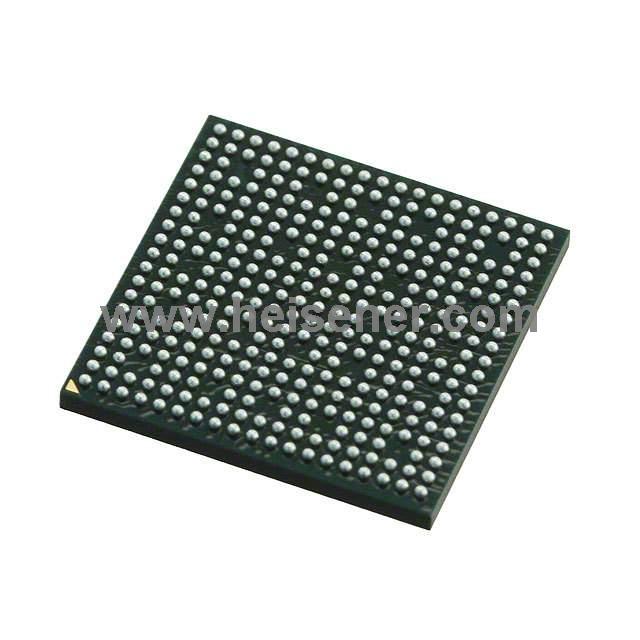
A microcontroller (MCU) is a compact computer system that integrates a central processing unit (CPU), memory (RAM and ROM), timers, and various input/output interfaces (such as GPIO and ADC) onto a single chip.
The processor in a microcontroller typically operates at a relatively low clock speed, usually ranging from 1 to 50 MHz. This is sufficient for tasks such as reading sensor data, performing basic computations, and controlling other components.
The memory in a microcontroller is relatively small but adequate for its intended functions. It includes RAM for temporary data storage and Flash memory for storing the program code. The size of these memories varies, but a typical microcontroller may have around 2 KB of RAM and 32 KB of Flash memory.

MCUs can be classified by memory type into two categories: those without on-chip ROM and those with on-chip ROM. For MCUs without on-chip ROM, an external EPROM is required for operation (a typical example is the 8031). MCUs with on-chip ROM can be further divided into on-chip EPROM (e.g., 87C51), mask ROM (e.g., 8051), and on-chip Flash (e.g., 89C51).
Based on application, MCUs can be categorized into general-purpose and application-specific types. According to data bus width and the number of bits processed per operation, they can be classified into 8-bit, 16-bit, and 32-bit MCUs:
- 8-bit Microcontrollers: These are the most common types. With an 8-bit data bus (processing 8 bits at a time), they are typically used in applications requiring low power consumption and cost efficiency.
- 16-bit Microcontrollers: Compared to 8-bit MCUs, they offer greater processing capability. Their 16-bit data bus makes them suitable for applications requiring higher computational performance, such as advanced motor control and digital signal processing.
- 32-bit Microcontrollers: As the most powerful type, they are used in applications demanding high processing performance, such as multimedia systems and complex control systems.
For most MCUs, the following functions are the most fundamental and commonly used. Although implementation may vary across different models, the core principles remain the same:
1. Timer
Timers are generally divided into two types: fixed timers and programmable timers. Fixed timers provide preset time intervals (such as 32 Hz, 16 Hz) and are commonly used for basic timing functions. Programmable timers allow users to configure clock sources, prescalers, and count values, offering greater flexibility for applications such as PWM generation and event counting.
2. I/O Interfaces (GPIO)
I/O ports are the basic interface between the MCU and external devices. They can be categorized into fixed input/output, direct read/write, and programmable direction types. When using them, it is important to ensure that input pins are not left floating (use pull-up or pull-down resistors), and output pins must be properly matched with external circuits to avoid abnormal current.
3. External Interrupts
External interrupts are used for real-time response to signal changes and can be triggered by rising edges, falling edges, or level signals. They are commonly used for signal detection, frequency measurement, data decoding, and button wake-up functions.
4. Communication Interfaces
Common interfaces include:
- SPI: A synchronous communication interface with master/slave modes, including data input/output and clock signals.
- UART: A classic asynchronous serial interface (Rx/Tx) with configurable baud rate, data bits, and parity, widely used for communication with PCs.
- I2C: A two-wire protocol (data + clock) that supports multiple devices on the same bus. It offers flexible speed and can be easily implemented via software.
5. Watchdog Timer
The watchdog timer prevents system crashes. Once enabled (and in some MCUs cannot be disabled), the program must periodically reset the counter. If a fault causes the program to hang, the watchdog will automatically trigger a system reset.
MCUs (microcontrollers) have a wide range of applications, covering automotive electronics, industrial control, consumer electronics, and the Internet of Things (IoT).

Automotive Electronics
The automotive sector represents the largest downstream market for MCUs. They are widely used in engine management, body control, and Advanced Driver Assistance Systems (ADAS). High-end vehicles may use nearly 100 MCUs. These applications are typically distributed across functional domains such as body electronics, powertrain, chassis, cockpit systems, and autonomous driving systems.
Industrial Applications
Industrial applications of microcontrollers demand high real-time performance and reliability. MCUs are widely used in motor drives, servo control systems, programmable logic controllers (PLCs), photovoltaic inverters (including arc fault detection), battery management systems (BMS) for energy storage, and EV charging stations.
Consumer Electronics
Consumer electronics remain a traditional and significant application area for MCUs. They are embedded in home appliances such as microwaves, refrigerators, and air conditioners, as well as in TVs, gaming consoles, audio/video systems, smartwatches, and electric scooters, where they handle motor control, safety protection, and user interface functions.
Internet of Things (IoT)
In the IoT field, MCUs are often used as the core of terminals such as smart home devices, environmental sensor nodes, and wearable devices, responsible for data acquisition, local processing, and wireless communication connectivity.
Other Application Areas
Beyond these major sectors, MCUs are also widely used in medical devices, commercial aerospace, and robotics.
While microcontrollers and microprocessors may look similar as silicon chips, their internal architectures and intended purposes are vastly different.
1. Structural Differences:
Microcontroller (MCU): An MCU is a System-on-a-Chip (SoC). It contains the CPU, RAM, ROM (Flash), and I/O peripherals all on a single chip. It is designed to be self-sufficient.
Microprocessor (MPU): An MPU contains only the Central Processing Unit (CPU). To function, it must be connected to external components like RAM sticks, hard drives (SSD/NAND), and specialized controllers.
2. Performance vs. Efficiency
Microprocessor (MPU): They run at gigahertz (GHz) speeds and handle multitasking, complex operating systems (like Windows or Linux), and heavy data processing.
Microcontroller (MCU): They usually run at megahertz (MHz) speeds. While they aren't fast in a computing sense, they excel at performing a single, specific task with extremely low power consumption.
| Category | Microcontroller (MCU / µC) | Microprocessor (MPU / µP) |
| Definition | Application-specific IC with integrated peripherals | General-purpose processor requiring external components |
| Peripherals | Built-in (Timer, GPIO, ADC, UART, etc.) | Requires external peripherals |
| Architecture | Harvard architecture (separate program/data memory) | Von Neumann architecture (shared memory) |
| Memory | On-chip memory | External memory (MB/GB range) |
| Size | Compact, ideal for embedded systems | Larger size |
| Clock Speed | Lower | Higher |
| Power Consumption | Low, suitable for battery-powered devices | Higher power consumption |
| Cost | Cost-effective | More expensive |
| Examples | Arduino, PIC, AVR | Intel, AMD, ARM, Raspberry Pi |
| Applications | Embedded systems, IoT, robotics, automation | PCs, servers, general computing |
While both MCU and FPGA can control an LED or read a sensor, they process information in fundamentally different ways.
1. The Fundamental Architecture:
Microcontroller (MCU): A Microcontroller has a fixed hardware structure. It contains a CPU that executes instructions one by one (sequentially). You write code (C/C++), and the CPU follows those steps in a linear fashion.
FPGA: An FPGA has no fixed processor. Instead, it consists of thousands of Configurable Logic Blocks (CLBs) and programmable interconnects. When you "program" an FPGA, you are actually rewiring the internal hardware circuitry to become a specific digital circuit.
2. Parallel vs. Sequential Processing:
Sequential (MCU): If an MCU needs to monitor 10 sensors and control 5 motors, it must check Sensor A, then Sensor B, then Motor A, and so on. If one task takes too long, the others must wait (latency).
Parallel (FPGA): An FPGA can be configured to handle all 10 sensors and 5 motors simultaneously. Because you are building dedicated hardware paths for each task, they never have to wait for the CPU.
| Feature / Factor | FPGA | Microcontroller (MCU) |
| Processing Model | True parallelism with custom hardware data paths | Sequential execution on fixed CPU core |
| Customization | Fully reconfigurable logic; design-specific architecture | Fixed architecture with configurable peripherals |
| Development Complexity | Requires HDL (Verilog/VHDL), synthesis, timing analysis | High-level languages (C/C++); simpler toolchain and debugging |
| Performance | High throughput, low latency, suitable for parallel tasks (DSP, video) | Adequate for control, sensing, communication, low-speed processing |
| Power Efficiency | Higher due to structure overhead and parallelism | Optimized for ultra-low power, especially in sleep mode |
| Cost (per unit) | High (mid-to-high-end FPGA); justified by performance | Low (8–32 bit MCUs); suitable for high-volume products |
| Analog Integration | Limited on-chip analog; external components often needed | Many MCUs include built-in ADC, DAC, comparators, voltage references |
| Scalability & Flexibility | Easily reprogrammable; design can be expanded for application needs | Limited by fixed architecture; higher-performance tasks may need redesign |
| Time to Market | Longer due to hardware-centric development | Faster prototyping and deployment using reusable code libraries |
They are used in appliances, sensors, automotive systems, robotics, IoT devices, and any application requiring dedicated, low-power control.
A Raspberry Pi is a full computer with a microprocessor capable of running multiple programs. An MCU is simpler and designed for a single dedicated function.
Typically no. MCUs are designed for sequential, dedicated tasks. Some higher-end MCUs support multitasking via RTOS (Real-Time Operating System), but still within resource limits.
MCUs are usually programmed with C or C++. Some platforms also support Python (e.g., MicroPython) or assembly for low-level control.